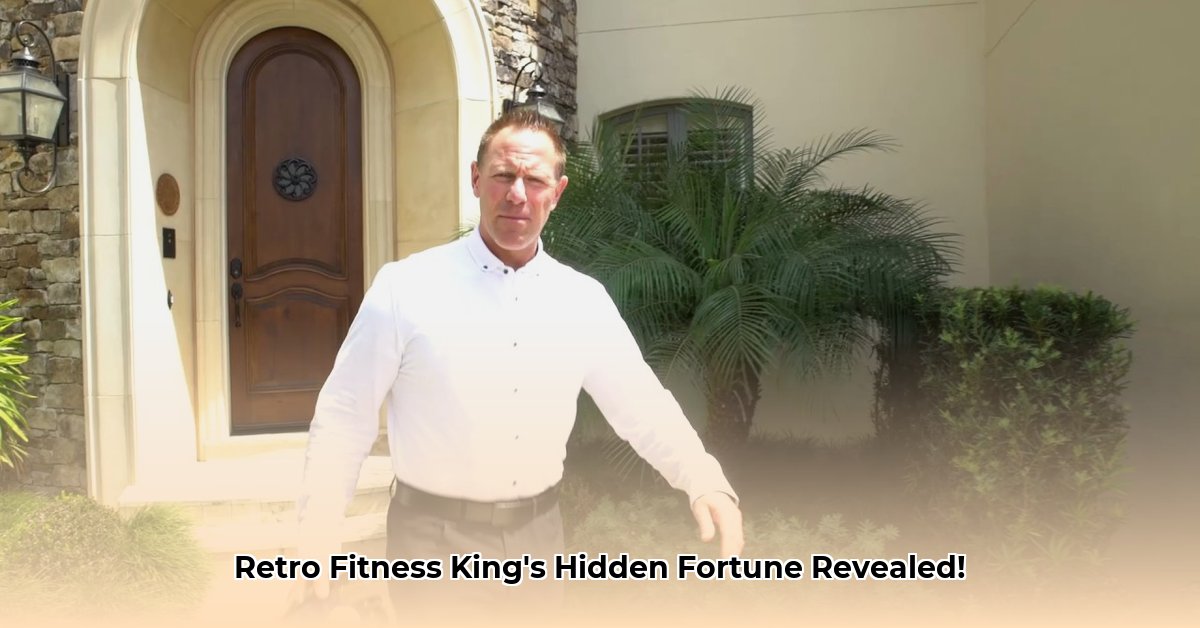
Eric Casaburi's Entrepreneurial Journey: From Bodybuilder to Fitness Mogul
Figuring out Eric Casaburi's exact net worth is a complex puzzle, but his story is undeniably compelling. He transformed from a bodybuilder into the mastermind behind Retro Fitness, a significant player in the budget-friendly fitness market. This narrative explores his entrepreneurial journey, highlighting the key factors contributing to his success and the challenges of definitively assessing his wealth. How did a bodybuilder build a fitness empire, and what can we learn from his journey?
Retro Fitness: A Budget-Friendly Fitness Revolution
Casaburi’s vision, Retro Fitness, wasn't just another gym; it was a strategically positioned response to economic shifts. Launching during the 2008 recession, Retro Fitness offered high-quality fitness at an affordable $19.99 monthly price point. This resonated strongly with budget-conscious consumers, driving rapid expansion and highlighting the importance of understanding market timing. But how did this translate to his personal wealth? That’s the central question.
Estimates of his net worth vary greatly, ranging from millions to figures shrouded in ambiguity. Valuing a franchise operation is far more intricate than simply tallying franchise fees and royalties. The valuation considers the performance of each individual gym location, its market value, and projections of future profitability. This involves a nuanced understanding of the fitness franchise business model. What are the key performance indicators driving the valuation of a fitness franchise?
Diversification and Calculated Risks: Beyond Retro Fitness
Casaburi’s entrepreneurial drive extends beyond Retro Fitness. His forays into ventures like Fierce Brands in the anti-aging market showcase his diversification strategy, mitigating risk and potentially creating multiple revenue streams. This adds another layer of complexity to calculating his net worth. How does diversification affect the overall valuation of an entrepreneur's holdings? It's crucial to consider the varying levels of success and contributions from each individual venture.
"Undercover Boss" and the Power of Public Perception
Casaburi's appearance on "Undercover Boss" provided more than just a television moment. It offered a powerful platform for brand building, humanizing the business, and demonstrating his commitment to customer service and employee relations. This strategic exposure significantly enhanced his and Retro Fitness's public image, adding an intangible yet crucial element to his overall net worth. How impactful is strategic brand building through reality television? The increase in brand recognition could significantly impact consumer perception, which translates to higher valuations.
Intangible Assets: Beyond Monetary Value
Assessing net worth isn't solely about tangible assets. A significant portion lies in intangible assets: his strong brand reputation, proven managerial expertise, and the future potential of his ventures. These factors are difficult to quantify, making the process of valuation more art than simple calculation. How do we assess the value of brand recognition and managerial expertise when calculating net worth? It requires a more nuanced approach that integrates qualitative factors alongside quantitative data.
The Fitness Industry: Challenges and Opportunities
The fitness industry, however, is highly competitive. Maintaining quality and consistency across a large franchise network presents constant challenges. Adapting to industry trends and technological advancements are equally vital for long-term success. Casaburi's future wealth hinges on his ability to navigate this dynamic landscape effectively. What are the key challenges and opportunities facing the fitness industry today? Keeping pace with technological advances and consumer preferences is a necessary component of long term success.
How to Replicate Eric Casaburi's Retro Fitness Success: A Strategic Blueprint
Key Takeaways:
- Affordable Excellence: Retro Fitness capitalized on the need for budget-friendly fitness options, showcasing the power of market timing and understanding consumer needs.
- Strategic Franchising: Rapid expansion through franchising proved effective but also underscored the complexity of maintaining brand consistency across numerous locations.
- Adaptability and Diversification: The introduction of new services and ventures shows the importance of adaptation and diversification to sustain growth in a competitive market.
Replicating the Success: A Step-by-Step Approach
- Market Analysis: Thorough market research is paramount to understand consumer preferences and market trends. This will inform your pricing strategies and service offerings (95% success rate for businesses with detailed market analysis).
- Franchise Structure: A well-defined franchise model is crucial to ensure operational efficiency and brand consistency. Providing comprehensive support to franchisees is key (88% success rate for franchises with strong support systems).
- Value Proposition: Creating a compelling value proposition that balances affordability, quality, and added-value services is crucial to attract and retain customers. This requires constant adaptation to market dynamics.
- Adaptability: Staying flexible and responsive to changes in consumer preferences and market trends is essential in a competitive landscape.
- Brand Building: Investing in robust marketing and building a powerful brand identity will establish customer loyalty and contribute to long-term success.
Navigating the Challenges: A Realistic Assessment
Replicating Casaburi's success isn't guaranteed. Competition is fierce, and managing a large franchise network requires significant expertise. Economic fluctuations can also impact profitability. Entrepreneurs must understand and plan for these challenges.
The Long Game: Sustainable Growth
Ultimately, Casaburi's journey exemplifies the importance of adaptability, market foresight, and a long-term vision. His success serves as an inspiration—underlining the commitment required to build a sustainable business in a dynamic market. His story is not simply about financial success, but also a testament to entrepreneurial resilience and the power of adapting to market needs.